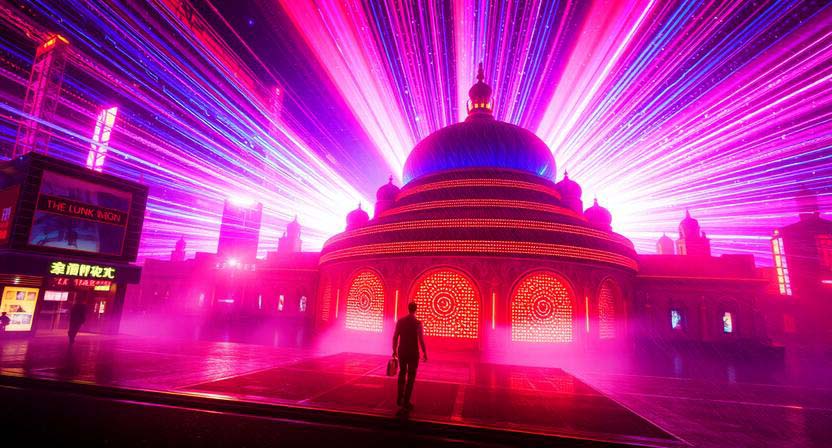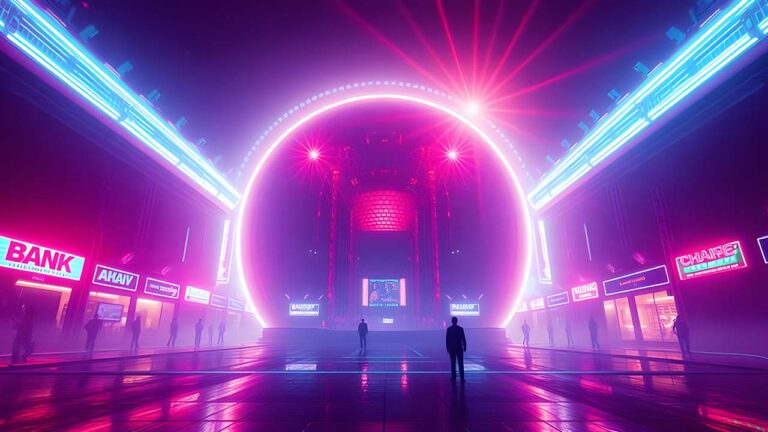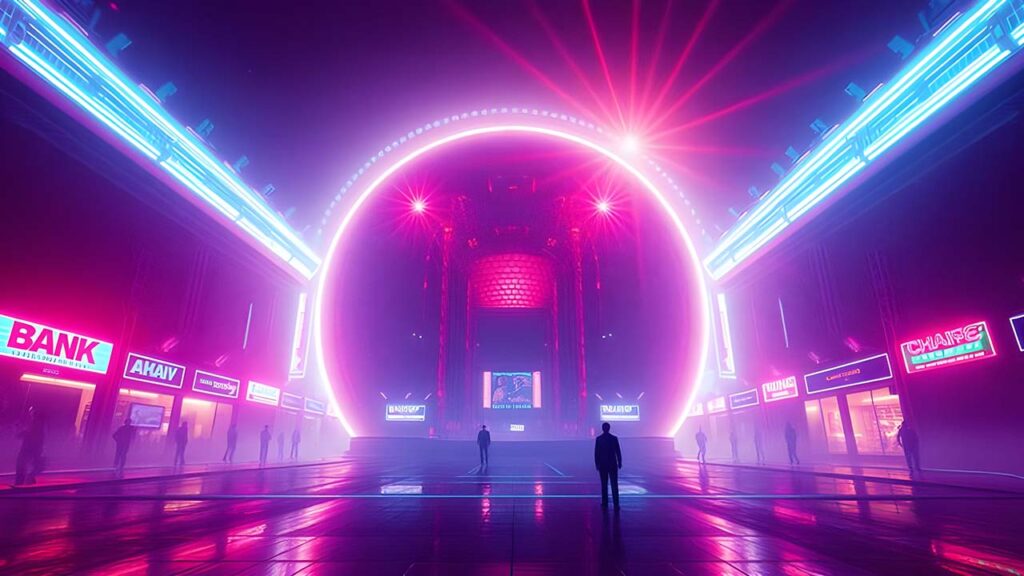
The metaverse has emerged as a revolutionary concept, promising to reshape the way we interact, create, and experience the world. It is a virtual realm that combines elements of augmented reality, virtual reality, and the internet, offering a vast array of possibilities for various fields, including art, culture, and business.
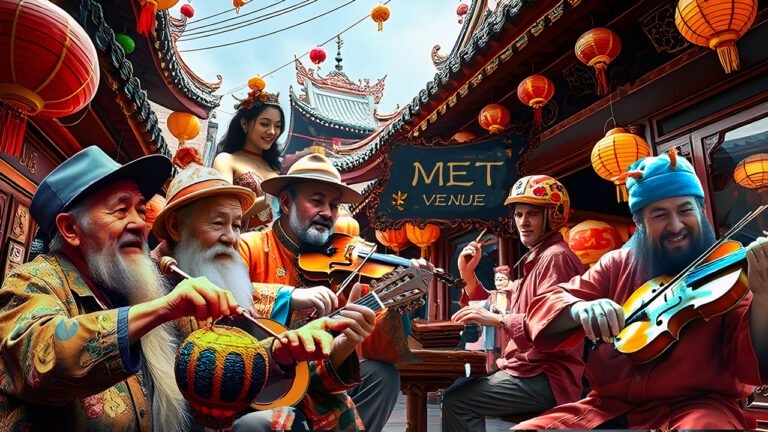
One of the most significant aspects of the metaverse is its potential for creative expression. Artists are no longer limited by the constraints of the physical world. They can create immersive art installations, digital sculptures, and interactive experiences that engage audiences in new and profound ways. For example, virtual art galleries in the metaverse can showcase works from artists around the globe, allowing for a more accessible and diverse art experience.
However, with these opportunities come a host of challenges. One of the primary concerns is the issue of digital inequality. Not everyone has equal access to the technology required to participate fully in the metaverse. This could lead to a new form of divide between those who can afford the necessary hardware and software and those who cannot.
Another challenge is the question of ownership and authenticity in the metaverse. In a digital environment, it can be difficult to determine the true ownership of virtual assets, including artworks. Additionally, the ease of 复制 and manipulation in the metaverse raises questions about the authenticity of digital art. How can we ensure that the art we are experiencing in the metaverse is original and not a 赝品?
The metaverse also has implications for cultural identity. As people from different cultures interact in this virtual space, there is a potential for cultural homogenization. On the other hand, it can also be a platform for promoting cultural diversity. Artists can use the metaverse to share their unique cultural traditions and perspectives, creating a more inclusive and global cultural exchange.
In terms of business, the metaverse offers new opportunities for economic development. Virtual real estate, digital goods, and virtual events are just a few of the areas where businesses can operate. However, there are also regulatory challenges to be addressed, such as tax implications and consumer protection in the virtual economy.
Furthermore, the metaverse has the potential to transform education. Students can engage in virtual field trips, collaborative learning experiences, and immersive educational content. This can enhance the learning experience and make education more accessible to a wider range of people.
However, some issues in the metaverse can be mitigated by having more quality real – world experiences. For instance, the sense of isolation that can sometimes be associated with excessive metaverse engagement can be countered by real – world social interactions. The values and emotions derived from real – world good moments, such as acts of kindness, community gatherings, and natural beauty experiences, can be brought into the metaverse.
Artists, for example, can draw inspiration from real – world human connections and experiences to create more meaningful and relatable art in the metaverse. This can help to ground the virtual art in the rich tapestry of human experience. In terms of cultural identity, real – world cultural experiences can serve as a foundation for maintaining and celebrating diversity within the metaverse.
Moreover, the real – world can provide a benchmark for ethical and moral behavior in the metaverse. The values we uphold in the physical world, such as respect for others and integrity, can be translated into the virtual realm. This can help address some of the issues related to authenticity and ownership, as individuals with a strong sense of real – world values are more likely to act in an ethical manner in the metaverse.
In conclusion, the metaverse is a complex and rapidly evolving concept with both great potential and significant challenges. It has the power to revolutionize art, culture, business, and education, but we need to address the issues of digital inequality, ownership, authenticity, cultural identity, and regulation. By integrating more quality real – world experiences, we can enhance the metaverse, making it a more positive and enriching environment that complements rather than replaces the real world.