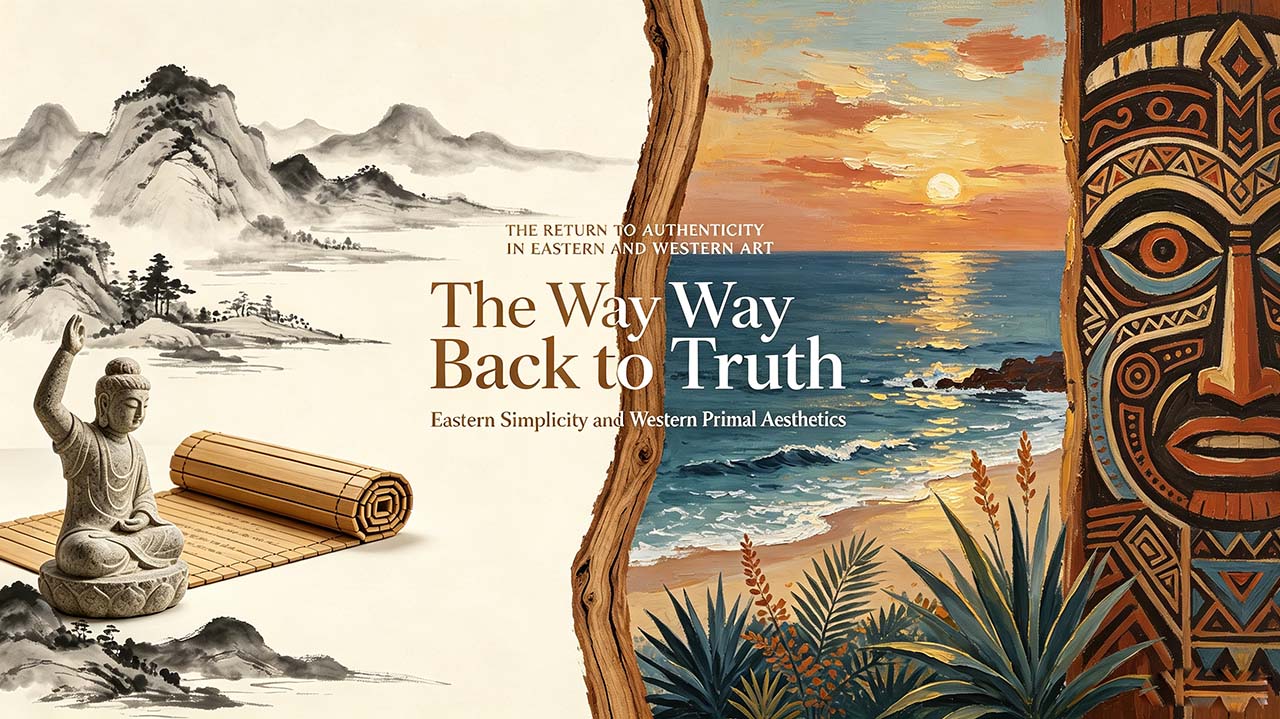
Amid the layered constraints of urban civilisation, utilitarian restlessness and artificial pretence have become latent maladies of our age. Enveloped by standardised routines and refined aesthetics, modern people gradually lose touch with their inner essence. Civilisation, a ladder for human progress, has spawned fetters through excessive evolution, veiling the purity of human nature and the authenticity of life beneath superficial glamour. For thousands of years, humanity has never ceased its pursuit of fundamental truth. Ancient Eastern Daoist thought offered the philosophy of returning to simplicity and authenticity, while the Enlightenment in the West gave rise to the spiritual imagination of the noble savage. Spanning time and geography, artistic practice bridges these two ideologies, offering a route to break free from the shackles of civilisation and reclaim our innate state of being.
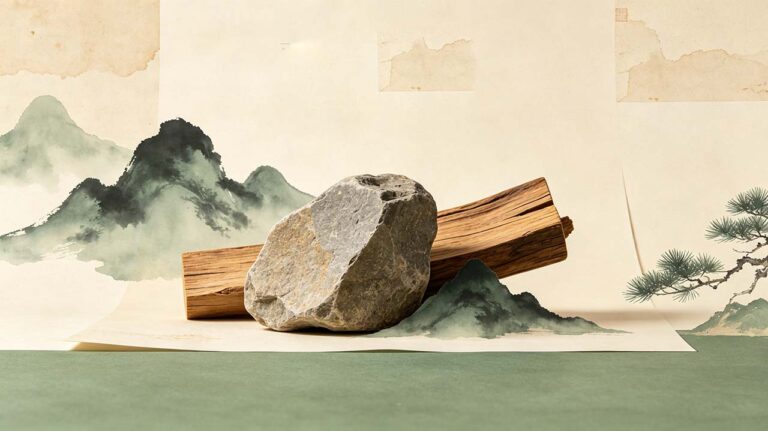
Returning to simplicity and authenticity is a life wisdom rooted in traditional Eastern culture. As stated in the Tao Te Ching, “Return to the uncarved block, revert to primal simplicity.” Its core lies in shedding artificially crafted vanity and abandoning worldly utilitarian obsessions, returning to the inherent purity of human nature and the natural order of all things. The “uncarved block” refers to raw jade untouched by craftsmanship, embodying an unadorned original form; “authenticity” stands for a clear, unfeigned inner self and the primal Dao. The Eastern pursuit of returning to one’s roots is never an escape from civilisation or a retreat to primitivity. Instead, it calls for inward reflection and self-cultivation: to preserve an unpretentious nature amid chaos, and retain natural vitality within human creations. It represents a gentle, insightful spiritual homecoming turned inward.
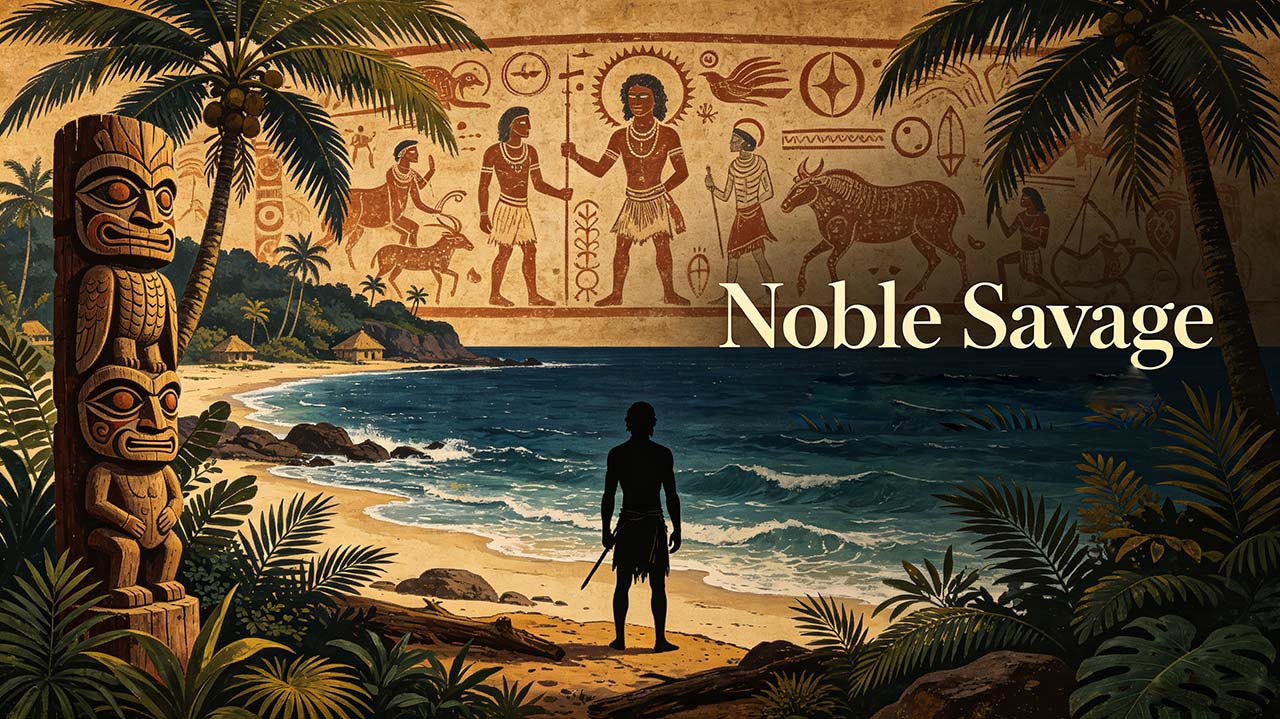
Remarkably, the Western Enlightenment concept of the noble savage resonates across continents with this Eastern philosophy. Conceived by Rousseau, this pivotal idea challenged the assumption that civilisation equates to perfection. It forged a distinctive vision of primal aesthetics: human beings untouched by private ownership, secular conventions and hollow social etiquette possess innate kindness, purity and candour, holding onto sincerity and wild vitality lost by civilised people. Within traditional Western thought, the advancement of civilisation is intertwined with expanding desire, alienated humanity and the corruption of one’s true self. Excessive social discipline and polished education serve only to constrain life’s most authentic forces. Fundamentally, the notion is a profound critique of overdeveloped civilisation and a longing for natural instinct and pure humanity — aligning closely with the Eastern pursuit of casting off falsity and upholding simplicity of heart.
Separated by oceans, these two ancient ideologies echo one another, and artistic practice transforms abstract spiritual aspiration into tangible lived experience. Unlike purely theoretical philosophical speculation, art uses visible, sensory forms of creation to bring the pursuit of simplicity and authenticity out of abstraction. In the process of making and appreciating art, people strip away the masks imposed by civilisation and awaken their dormant original selves.
Western art history bears witness to countless creators embodying the spirit of the noble savage, rebelling against excessive civilisation and searching for primal truth. Weary of polished pretence and rigid social etiquette in European cities, Post-Impressionist Paul Gauguin cast aside the formal confines of academic painting and departed for Tahiti. Amid the unrefined wilderness of the islands, he abandoned elaborate, refined painterly techniques favoured by institutional art. Using broad flat blocks of colour, free, unrestrained lines and collaged primal imagery, his canvases shed the artifice of civilised art and brim with the raw vitality of living nature. His depictions of unspoiled humanity embody the belief that life untouched by overwrought civilisation holds the highest nobility. Gauguin’s artistic practice deployed primal aesthetics to resist human alienation, reclaiming humanity’s natural intuition. It stands as Western art’s most profound exploration of authentic existence.
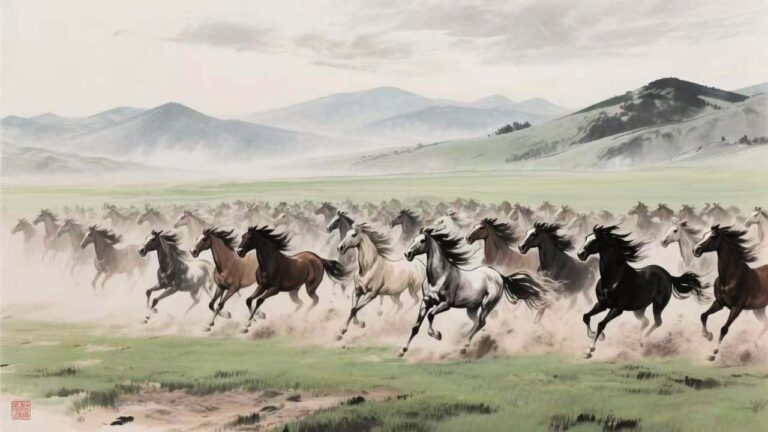
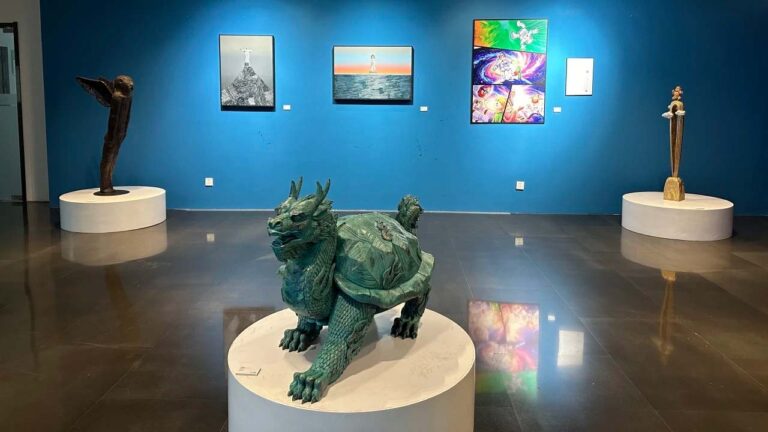
Turning to the East, contemporary Chinese art takes returning to simplicity and authenticity as its spiritual backbone. It traces primordial roots amid nature and rural landscapes, rebuilding inner tranquillity through unornamented minimalism, carving out a path of rooted authenticity that blends Eastern philosophy with contemporary sensibilities. Artist Song Peilun spent more than two decades living in seclusion among mountains, constructing the Yelang Valley art complex by hand within a Guizhou valley. Rejecting sleek, sophisticated modern sculptural methods, he worked with native mountain stone, drawing inspiration from ancient Nuo culture and primeval totems. His forms are rugged and organic; lacking deliberate refinement, yet possessing an arresting primal power. This artistic sanctuary tucked in the hills is free from the utilitarian hustle of urban art, existing as a harmonious fusion of nature and humanity. It illustrates the Eastern maxim that supreme skill resembles clumsiness, and the greatest Dao lies in simplicity.
Artist Shi Hu similarly retreated from the noise of the art world. After holding a landmark solo exhibition at the National Art Museum of China, he left behind fame and commercial circles to live and create in rural seclusion. Moving fluidly between ink painting, oil painting and calligraphy, he broke free from formulaic creative conventions and market-driven aesthetic trends. Guided by pure artistic intuition and bold, expansive brushwork, he retrieves the primal simplicity embedded within Chinese culture. Immersed in rural landscapes, his works cast off artificial embellishment and preserve the innate vitality of life and culture. Through uncompromising artistic practice, he embodies the Eastern ideal of letting go of vanity and abiding by one’s genuine heart.
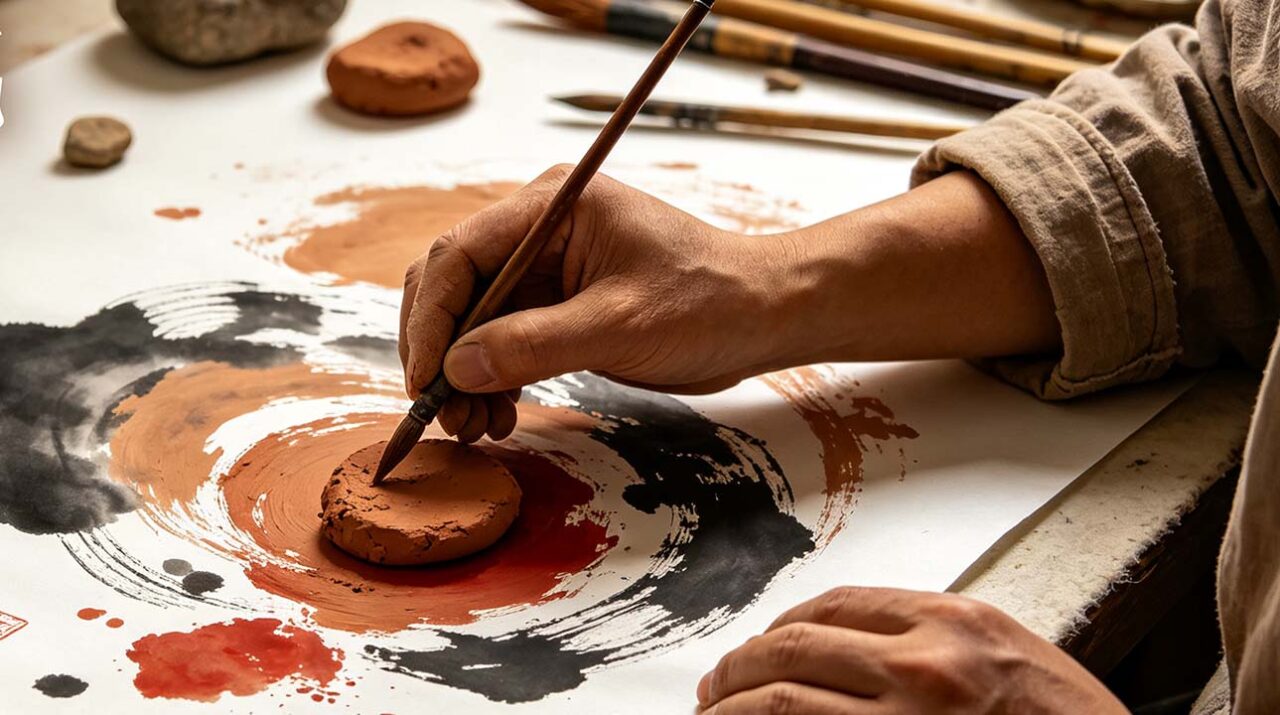
Across Eastern and Western artistic practice, a unified core emerges: the ultimate meaning of art is to liberate humanity from civilisational alienation and restore life’s original truth. The Western myth of the noble savage represents outward resistance: seeking primal natural existence to counter the shackles and hypocrisy of overdeveloped civilisation. The Eastern philosophy of returning to simplicity advocates inward self-mastery: stripping away craving and superficiality to achieve the pure harmony of humanity and nature. Art serves as the bridge connecting these inner and outer journeys.
Creation itself is a process of dispelling falsity, distinct from utilitarian worldly pursuits. In making art, creators cast off social identities, break free from rigid rules and set aside material ambitions. They observe all things with an authentic mind and give form to visions from within. Every brushstroke, every crafted object, every constructed scene peels away superficial glamour and awakens inner truth. When audiences engage with unpretentious, authentic artworks, they break free from the coercion of polished mainstream aesthetics and secular value systems. They encounter unadorned human nature and touch the primal force of life, achieving spiritual cleansing and inner homecoming.
In our present era, saturated with online commotion, aesthetic competition and mental exhaustion, over-refined civilised conventions trap growing numbers of people in internal friction and self-loss. In this context, the redemptive value of artistic practice becomes ever more vital. It inherits the millennia-old Eastern wisdom of returning to simplicity and absorbs the spiritual core of Western primal aesthetics. It does not deny the progress of civilisation, yet it heals its ailments; it does not reject beauty and refinement, yet teaches humanity to safeguard its innate simplicity.
True art is never defined by intricate craftsmanship or ornate packaging. It is the spontaneous expression of an unfeigned heart, the manifestation of unaltered existence. Art becomes a vessel carrying the combined weight of Eastern and Western philosophical thought, guiding us to shed superficial pretence. We cultivate simplicity within ourselves and seek truth in the world beyond. Through artistic practice, people recover purity and return to their authentic selves. Amid the unceasing tide of civilisational advancement, they retain a clear, uncomplicated heart and attain a calm, unburdened way of living — this is art’s most precious significance for our times.