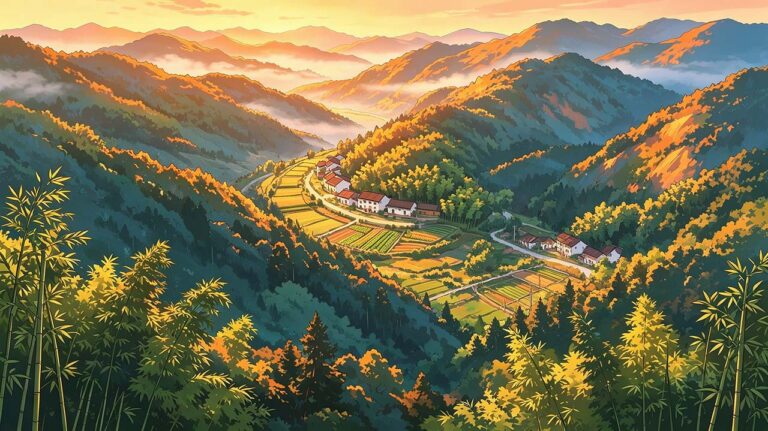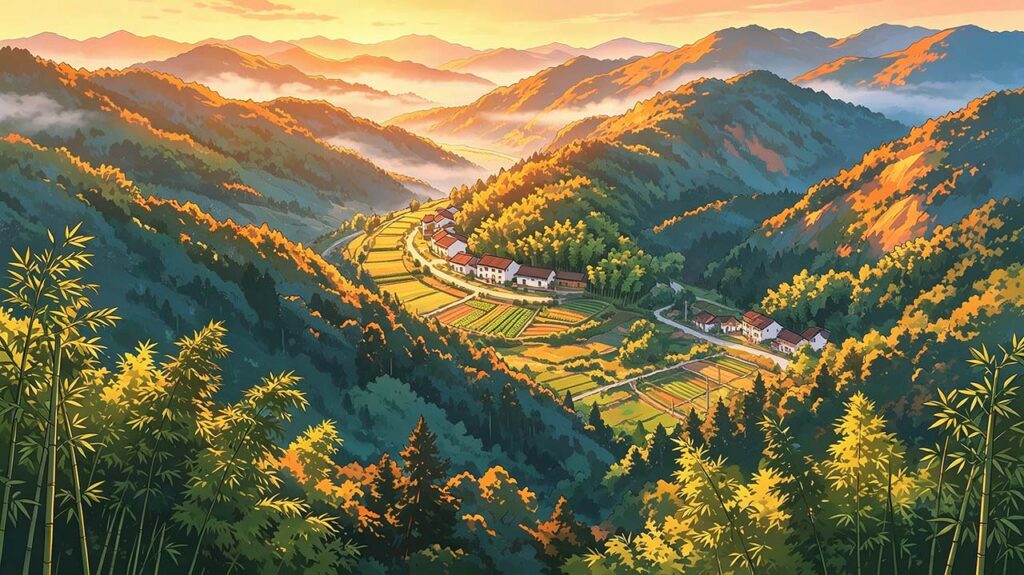
In the late Qing and early Republican eras of China, the world wavered like a guttering candle. Turmoil swept across towns and cities, yet spared the green mountains and clear waters of Yuanling in western Hunan. Here the Yuan River curves and winds, shattering reflections of drifting clouds. Nestled among rolling layered ridges lies the quiet valley of Liulincha. With gurgling streams and dense woods, it became a rare haven amid chaotic times.
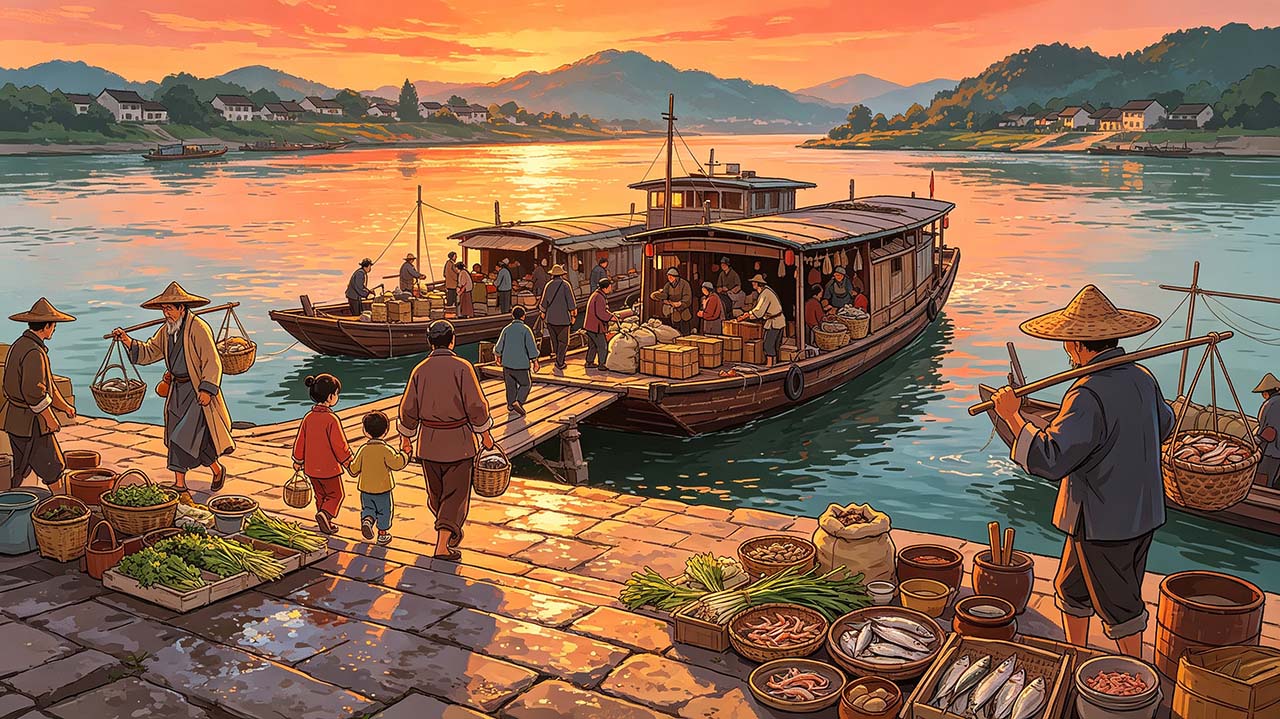
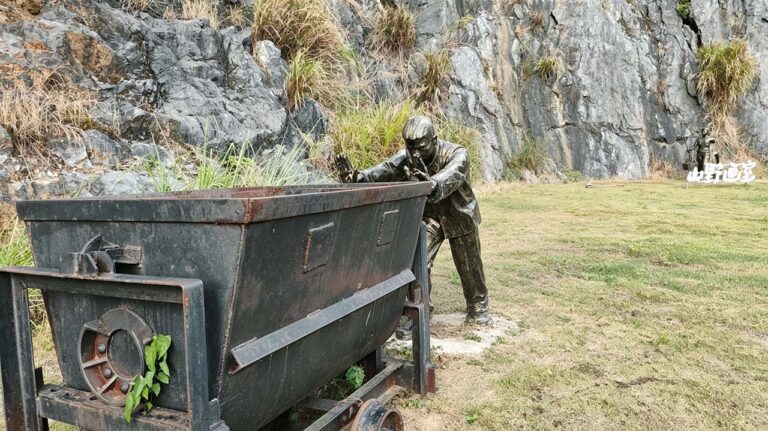
Liulincha was both a hidden scenic retreat and a rustic, bustling settlement. Buried within its green peaks and mountain paths lay gold‑bearing veins that had been mined for generations. Gold‑seekers traveled great distances to settle beside mountain streams and rocky crevices. Prospectors laboured day in and day out, chiselling rock and panning for gold, dwelling right against the mountains. The sharp clink of stone tools and the murmur of running water wove together the plain, everyday life of this mountain valley.
It was not only fortune‑hunters who came. Countless refugees, tormented by war and upheaval, fled to this remote valley drawn by its sheltering mountains and rivers. Gold diggers chased scraps of precious metal to survive; displaced people sought merely a place to lay their heads. Gradually the small mountain flatland drew people from far and wide. Settlers of different accents and fractured pasts lived side by side. Hardship, illness and toil were inescapable realities. Cut off from proper medical care in the wilderness, minor ailments turned into stubborn chronic diseases, small wounds festered, and many sufferers lingered in agony.
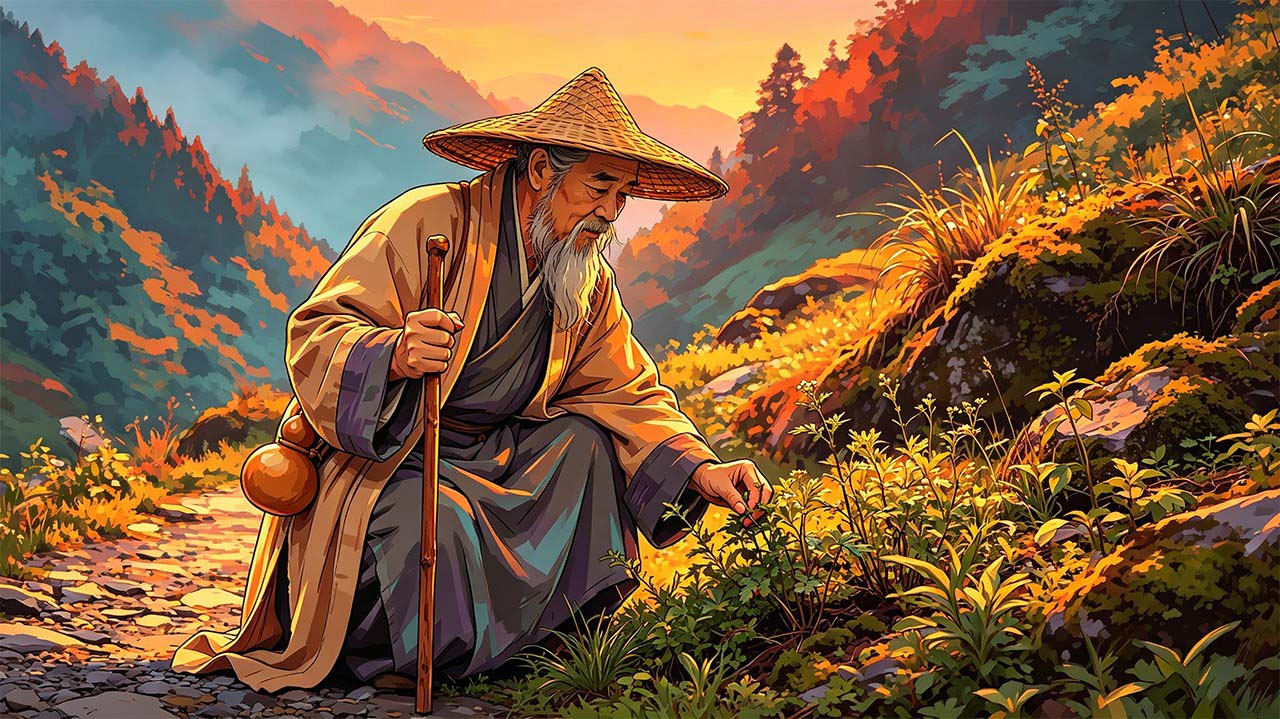
Yet grace arrived in this forsaken corner in the form of a compassionate healer. Deep within the valley lived an elderly physician named Wang Mingyong. Years of tending to mountain folk had frosted his temples. Clad in plain homespun cloth, with a long beard falling to his chest and a solemn yet gentle gaze, he embodied the healing power of mountain herbs, standing apart from the noisy greed of gold‑rush chaos.

Rooted firmly in these hills, Wang Mingyong devoted himself to traditional Chinese medicine, seeking neither fame nor profit. Well‑versed in the medicinal properties of local plants, he opened a herbal garden beside his homestead. He nurtured medicinal plants along the hillsides and stream banks. In spring and summer he grew honeysuckle, plantain and fish mint; in autumn and winter he harvested solomon’s seal, poria cocos and dwarf lilyturf. Through the changing seasons, herbal fragrance filled the countryside. He gathered ingredients at dawn when dew still clung to the foliage, and prepared remedies at dusk. Every plant and grass became a tool to relieve human suffering.
Most valley dwellers lived in poverty. Gold miners endured sun and rain, frequently suffering bruises and fractures. Starving refugees often fell ill with colds and internal congestion. Many locals could not afford consultation fees or herbal medicine. Wang Mingyong treated everyone regardless of wealth or status. For penniless poor folk he waived all charges for consultations and prescriptions, offering medicine free of charge. For the elderly, widowed and chronically sick, he travelled to their homes to give care.
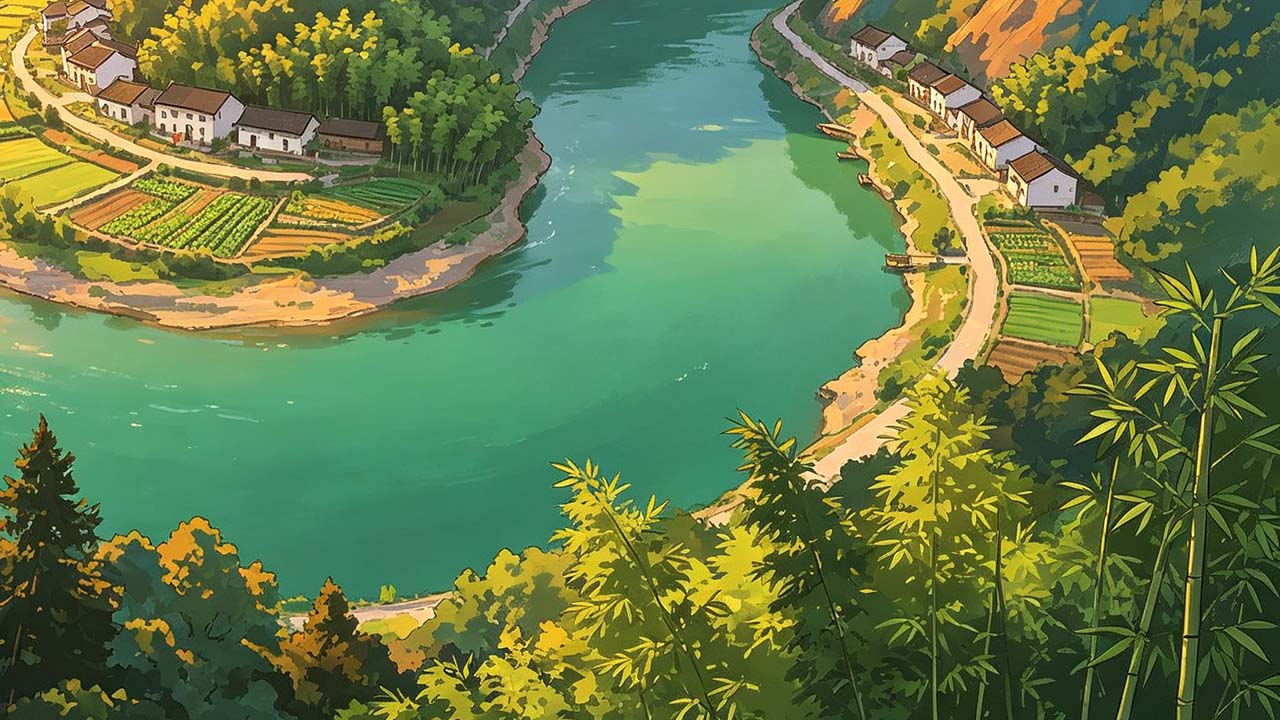
Countless fevers and injuries were soothed by his herbal decoctions and manual therapy. His garden served as a pharmacy for the whole valley; his benevolence became a beacon for displaced wanderers. No one knew exactly how many years he practised, nor how many lives he saved. Word spread through Liulincha of the doctor whose herbal scent lingered year‑round, to whom the sick came and went restored to health. Villagers held the reclusive, self‑less long‑bearded physician in deep reverence.
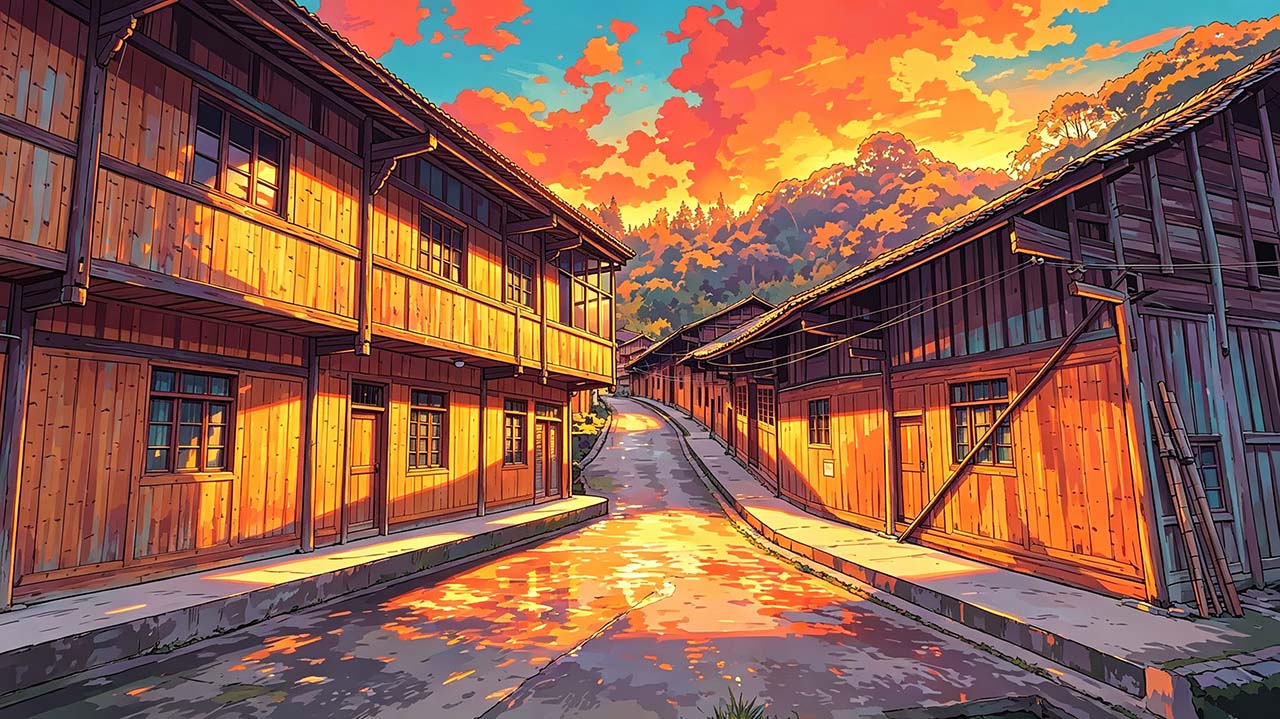
Once this mountain flatland had no formal name, merely an unnamed open ground where gold prospectors and exiles gathered. Because so many displaced souls converged here, and because Wang Mingyong spent his life practising medicine and doing good deeds, locals renamed this place Herenping.

He‑ren means gathering benevolence: gathering people from all directions, and gathering a spirit of compassion.
More than a hundred years have slipped away. The old clatter of gold mining has long fallen silent. The bustle of refugee life belongs to the past. Abandoned ancient mine tunnels rest quietly among hills, yet mountains and rivers remain unchanged. Wang Mingyong is long gone, but his compassionate spirit took root in this land and endures to this day.
Today Herenping boasts clear streams and lush woods. It still bears traces of its old gold‑mining heritage. Its waters carry the memory of human kindness. This single stretch of landscape holds fragments of local history. Nurtured by benevolence centuries ago, the land retains its gentle warmth. It tells the old story of a turbulent age, when kindness dwelt deep in the wilderness. Mountain winds sweep through treetops; stream water flows over cobblestones. What passes down through generations is not only landscape, but also an enduring legacy of goodness and humanity.
A story by LKW based on facts