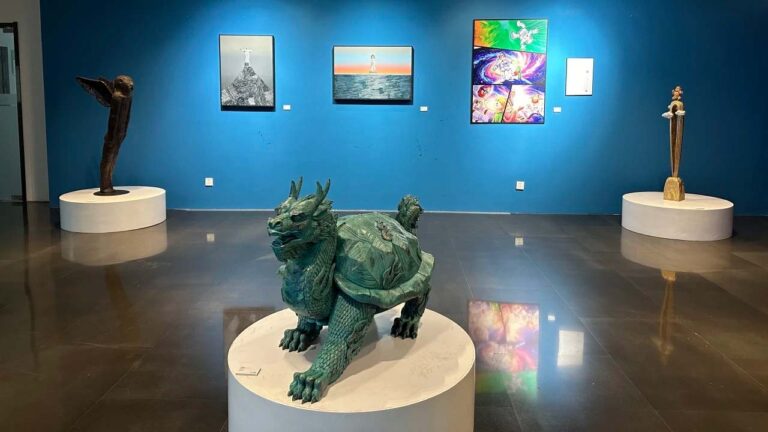
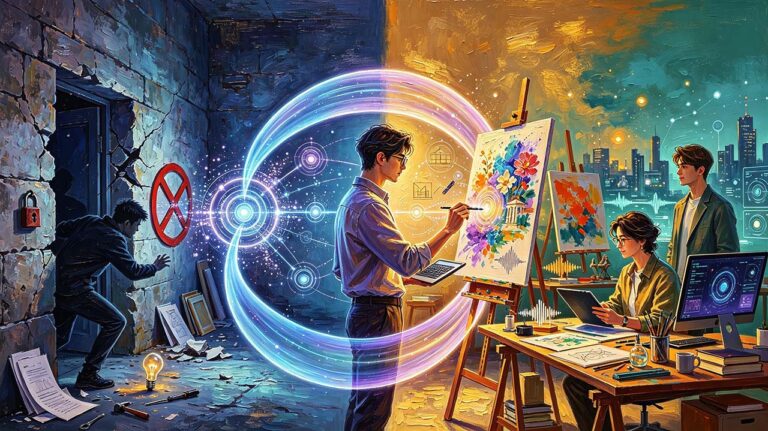
We live in an era defined by endless digital innovation. Screens surround us, algorithms shape our daily experiences, and every scroll, click, and creation has become a new form of human expression. In this fast-evolving digital landscape, art is no longer a privilege reserved for professional painters, musicians, or filmmakers in studios and galleries. It has stepped down from the high altar of elitism, blended into ordinary daily life, and raised a brand-new question for everyone: In the digital age, have you been arty yet?
For a long time, society has framed art as distant and exclusive. Traditional art requires polished skills, professional training, and physical carriers—canvas, paint, musical instruments, and film equipment. It seems that only those who master sophisticated techniques can produce art, and only those with refined aesthetic taste can appreciate it. Ordinary people can only stand outside the exhibition hall, admiring artistic works with a sense of alienation, believing that “art has nothing to do with me”. But the digital age has completely broken this inherent boundary, dismantling the technical and threshold barriers of traditional art.
Digital tools have turned artistic creation into an accessible daily practice for all. With a smartphone and simple creative software, anyone can complete unique artistic output in minutes. A filtered snapshot of the sunset, a self-edited short video of trivial life, a hand-drawn doodle on a digital canvas, a remixed piece of light music, or even a carefully typeset text post—all of these are genuine digital art. Art is no longer limited by tools, space, or identity. It is no longer just masterpieces collected in museums, but the spontaneous expression of every ordinary person’s observation, emotion, and imagination. This is the core charm of digital-era art: art is no longer something we watch, but something we live.
The connotation of “being arty” has also been completely reshaped in the digital age. It no longer refers to mastering professional artistic skills or appreciating classical masterpieces elegantly. True digital artistry is a positive life attitude: it is the ability to discover beauty in trivial daily life, the courage to express inner emotions freely, and the wisdom to inject creativity into repetitive life. A person who arranges daily photos into a thematic album, who uses short videos to record the warmth of life, who uses words and pictures to perceive and record the world, is undoubtedly being arty. Artistry is no longer a label for artists, but a basic spiritual pursuit for modern people.
Beyond personal expression, digital art has also built an inclusive, interconnected artistic ecosystem for the whole society. In the traditional art world, creators and audiences are separated by clear boundaries. But digital platforms eliminate isolation. Every creator is a viewer, and every viewer can become a creator. A random creative work may resonate with strangers thousands of miles away; a simple emotional expression may inspire more people to discover and create beauty. Art is no longer a single output, but a two-way interaction and collective resonance. It breaks geographical and social barriers, gathers diverse aesthetic voices, and makes art a universal language for emotional communication in the digital era.
Of course, the popularization of digital art does not mean the vulgarization of aesthetics. The convenience of creation does not replace the core value of art—sincerity, perception, and creativity. Many people confuse casual patchwork and blind imitation with digital creation, which is not true artistry. Real digital-era art lies in injecting unique personal perception into every creation. Whether the work is grand or trivial, exquisite or simple, as long as it carries your unique observation of the world and sincere feedback on life, it has artistic value.
In this all-digital era, life and art have long been integrated. We no longer need to deliberately pursue grand artistic expressions, nor do we need to feel inferior for lacking professional skills. Art is hidden in every digital record of our lives. Being arty is not a pretentious lifestyle, but a gentle way of living seriously.
The digital age has given everyone equal creative rights. The threshold of art has never been lower, and the space for expression has never been broader. So stop treating art as a distant luxury. Pick up your mobile phone, record the beauty around you, express your true thoughts, and release your inner creativity.
It’s the digital age. Everyone can be an artist. Have you been arty yet?