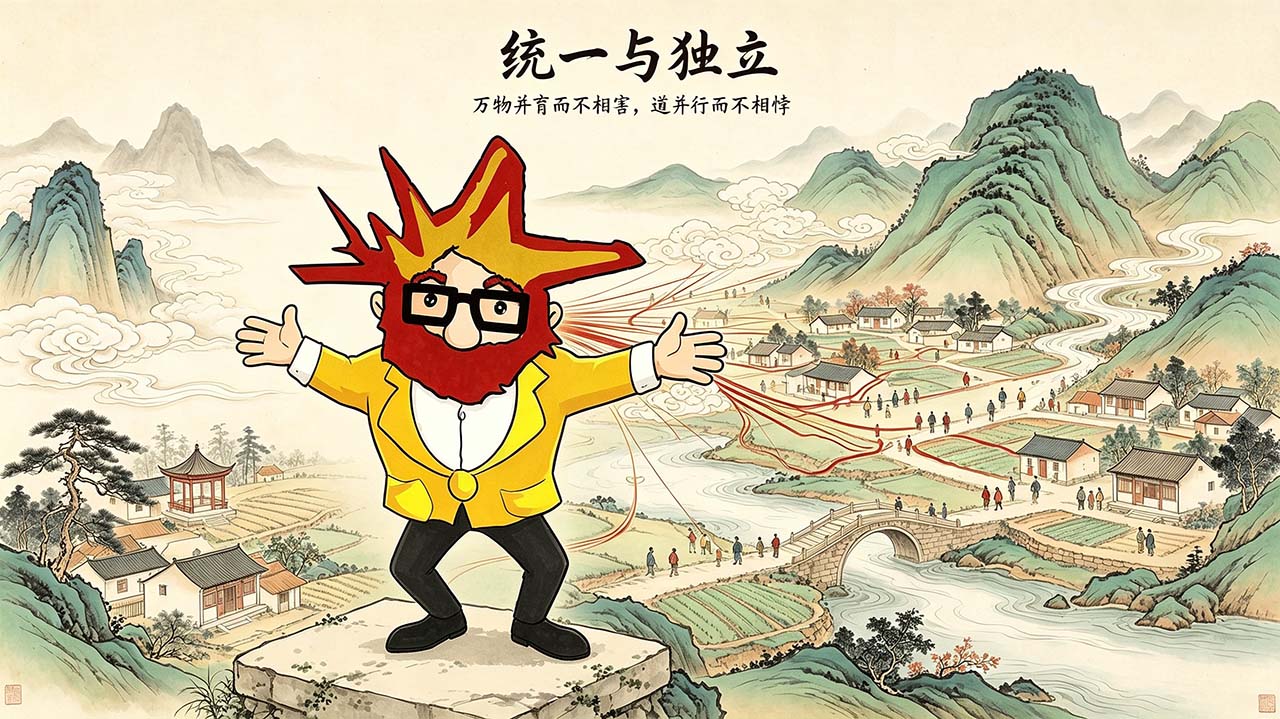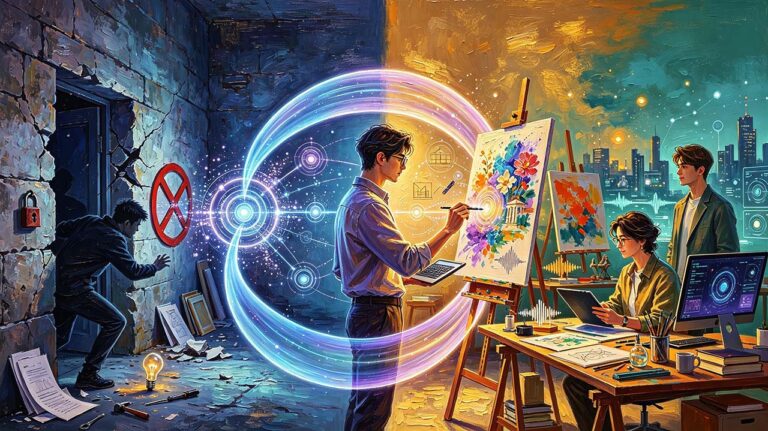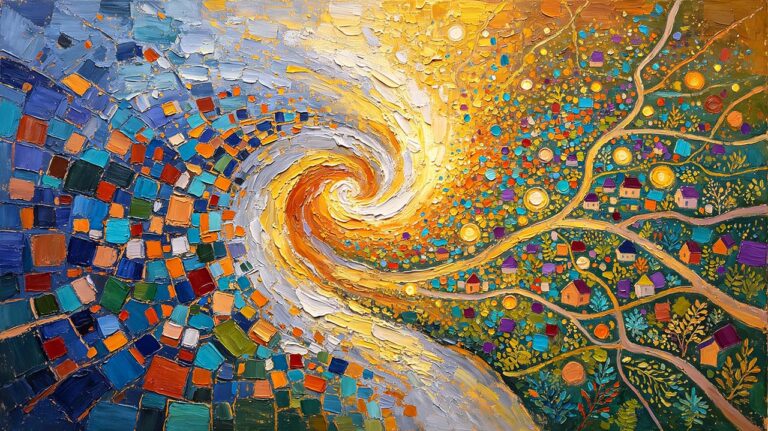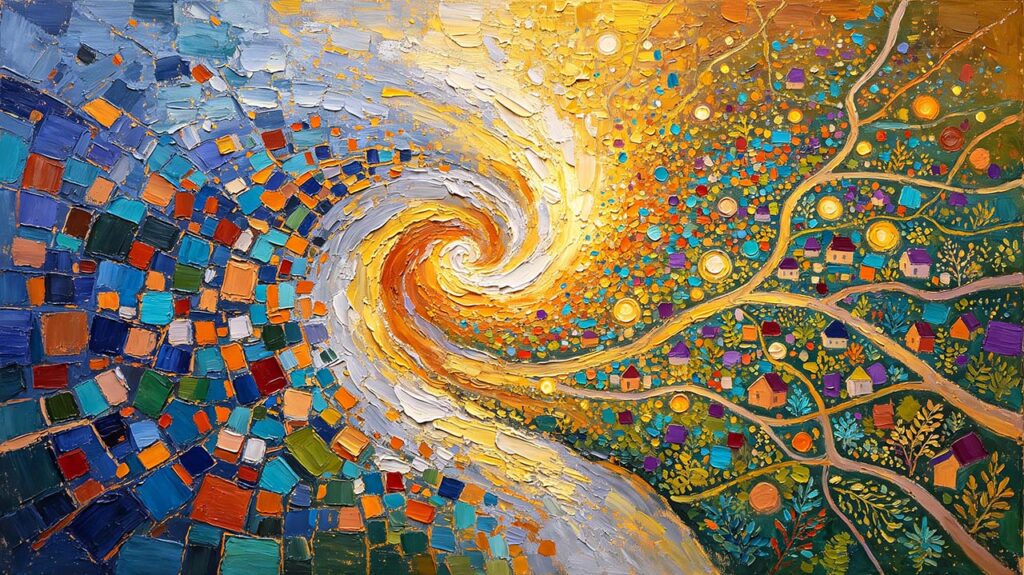
Unity and separation are not simple opposites to be fought against, but twin forces that shape every individual life and the whole human world. We move constantly between them: we crave connection, yet we carry an inescapable sense of being separate selves. This tension is where identity, freedom, empathy, and community all take root.
For a single person, separation is the first condition of selfhood. From the moment we grow into self-awareness, we learn that our thoughts are locked inside our own minds. No one can fully feel our pain, taste our joy, or see the world exactly through our eyes. This separation gives us boundaries. It lets us make our own choices, build unique personalities, and take responsibility for our actions. Without separation, there would be no “I” at all. Yet this same divide can turn into loneliness. We may feel cut off, misunderstood, trapped behind the wall of our private inner world. We long for unity: a moment when someone truly sees us, when we share a feeling so deeply that the sharp edge of separation softens.
This personal longing mirrors the larger human story. Human societies are built on small and large acts of unity. Families, friendships, teams, cultures and nations all arise when separate people align around shared goals, trust, values or care. Unity lets us survive hardship, create art, build systems, and care for the vulnerable. When people stand united, they become capable of things no isolated individual could ever achieve. But unity always carries a quiet risk: it can demand that differences disappear. When unity becomes forced, separation is pushed underground. People hide their true thoughts to fit in, minority voices are ignored, and individuality is sacrificed for the sake of group harmony.
Separation, on the global scale, also has its necessary purpose. Diversity is a form of separation. Different cultures, beliefs, ways of life, and perspectives emerge because human groups develop apart from one another. These separate ways of seeing the world keep humanity flexible. One tradition may solve a problem that another has never imagined. Separation prevents any single way of living from dominating everything. Still, unchecked separation breeds division. It turns difference into suspicion, disagreement into hostility, and distance into conflict. We draw hard lines between “us” and “them”, and forget our shared humanity.
The wisdom is not to choose one side over the other. We do not need endless merging into one uniform whole, nor permanent isolation. Healthy life, for a person and for humanity, is a dynamic balance. We can hold our separateness — our unique voice, our personal truth, our right to be different — while still choosing unity: listening, cooperating, recognising that we share the same fragile human condition.
True unity does not erase separation. It holds space for it. And healthy separation does not reject connection. It makes genuine connection meaningful. If we were all identical and without boundary, togetherness would have no weight. It is precisely because we are separate that reaching toward one another, understanding one another, and standing together becomes such a profound, precious act.
In the end, every human being lives this paradox. We are each a separate world, and we are all threads woven into one larger human world. Between unity and separation is the space where love, respect, and peace live. This harmonious balance of individuality and communion is the very essence of the Realm of Great Harmony, the ancient ideal of the world where all beings thrive side by side, each retaining their uniqueness, bound together in goodwill.